
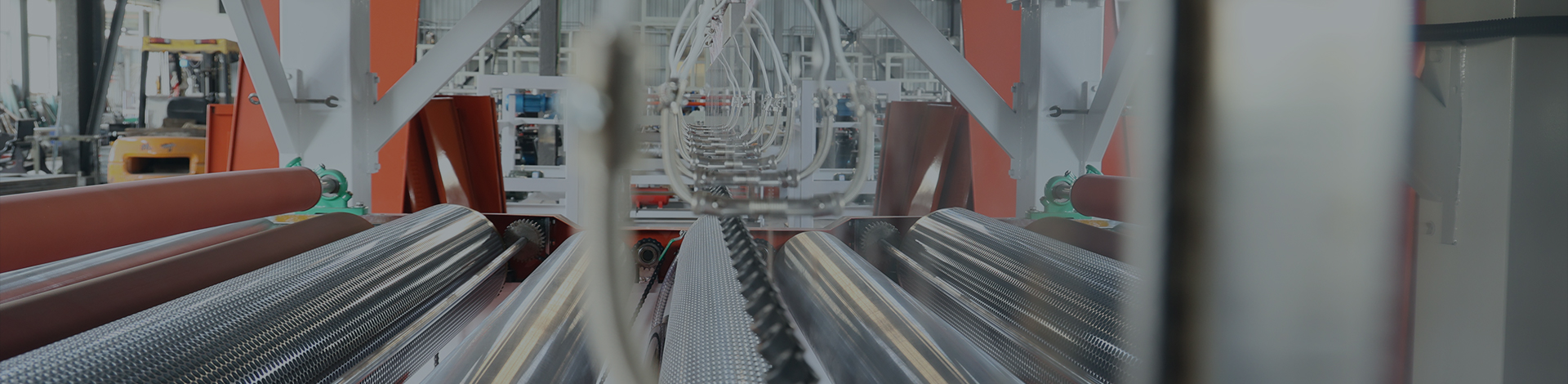
Plastic bag making machines are essential equipment in modern packaging and retail industries. For purchasers of T-shirt bag machines, flat bag machines, and high-speed plastic bag machines, understanding how these machines work helps in selecting the right equipment and optimizing production efficiency.
A plastic bag making machine is designed to convert plastic film rolls into finished bags through automated sealing and cutting processes. Although configurations vary by bag type, most machines share the following core components:
Unwinder (Film Feeding Unit): Holds and feeds the plastic film roll smoothly into the machine.
Tension Control System: Maintains stable film tension to ensure consistent bag length and sealing quality.
Guiding Rollers: Keep the film aligned during high-speed operation.
Sealing Unit: Uses heat sealing (hot knife or hot sealing bar) to seal the bag edges or bottom.
Cutting Station: Cuts the film into individual bags immediately after sealing.
Punching Unit (for T-shirt bags): Forms U-shaped handles in vest/T-shirt bags.
Stacking or Conveying Unit: Automatically collects finished bags.
PLC & Touch Screen Control System: Allows operators to set bag length, speed, temperature, and store multiple production programs.
High-quality machines use servo motors, precision sensors, and stable steel frames to ensure accuracy and durability during continuous operation.
Material preparation directly affects bag quality and production stability. Plastic bags are typically made from HDPE (High-Density Polyethylene) or LDPE (Low-Density Polyethylene) film.
Before bag making:
Plastic resin pellets are melted and blown into film using a blown film extruder.
The film is cooled, flattened, and wound into jumbo rolls.
Optional processes such as printing (flexographic printing) may be completed before bag making.
During bag production, the film roll is mounted on the bag making machine. Proper alignment, uniform thickness, and stable film tension are critical to avoid issues such as weak seals, uneven cutting, or film breakage—especially in high-speed machines.
The bag making process follows a continuous and automated workflow:
1. Film Feeding: The plastic film roll is unwound and fed into the machine.
2. Sealing: Heat sealing units create the bag’s bottom or side seal, depending on bag type.
3. Cutting: The sealed section is cut to form individual bags.
4. Punching (if applicable): T-shirt bag machines punch handles simultaneously.
5. Stacking or Output: Finished bags are stacked, counted, or conveyed for packing.
Different machines serve different bag structures:
T-shirt bag machines combine sealing, cutting, and handle punching in one cycle.
Flat bag machines focus on precise side or bottom sealing.
High-speed machines often use servo-driven systems to maintain accuracy at very high output rates.
Modern machines allow quick bag size changes by adjusting parameters through the touch screen, minimizing downtime.
When evaluating or operating a plastic bag making machine, several factors impact overall performance:
Production Speed: High-speed machines can produce hundreds of bags per minute, but speed must be balanced with sealing strength and cutting precision.
Sealing Quality: Stable temperature control and high-quality heating elements ensure strong, clean seals.
Automation Level: PLC control, servo motors, and automatic counting reduce labor costs and operator error.
Material Compatibility: Machines should handle different film thicknesses and materials (HDPE, LDPE, recycled film).
Energy Efficiency: Modern machines use optimized heating systems and motors to reduce power consumption.
Maintenance & Stability: Robust mechanical design, easy-access components, and reliable electrical systems reduce downtime.
Plastic bag making machines are widely used across many industries, including:
Retail & Supermarkets: T-shirt bags and shopping bags
Food Packaging: Bread bags, produce bags, frozen food bags
Logistics & E-commerce: Flat bags and courier bags
Medical & Hygiene Products: Disposable packaging bags
Industrial & Agricultural Use: Garbage bags, packaging liners
Different bag types and thicknesses require different machine configurations, making machine selection crucial for specific applications.
Ruikang is a professional manufacturer of plastic bag making machines, offering a wide range of solutions for global customers. According to Ruikang’s product lineup, their machines are designed with a focus on high speed, stability, and ease of operation.
Key offerings include:
T-shirt (Vest) Bag Making Machines: Capable of producing single-layer and double-layer T-shirt bags with precise handle punching and high output.
Flat Bag Making Machines: Suitable for side-seal and bottom-seal flat bags with clean cutting and strong sealing.
High-Speed Plastic Bag Machines: Equipped with servo motors and advanced PLC control for large-scale, continuous production.
Ruikang machines emphasize quick bag size changeover, reliable components, and compatibility with various film materials, making them suitable for both medium and large production facilities.
A plastic bag making machine works by feeding plastic film through controlled sealing and cutting systems to produce finished bags efficiently and consistently. Understanding machine structure, material preparation, production flow, and performance factors helps buyers make informed decisions. With advancements in automation and energy efficiency, modern machines—such as Ruikang’s T-shirt bag, flat bag, and high-speed machines—play a vital role in today’s packaging industry.
Q1: What types of bags can a plastic bag making machine produce?
A: Depending on the machine type, it can produce T-shirt bags, flat bags, shopping bags, garbage bags, and various custom plastic bags.
Q2: What materials are supported?
A: Most machines support HDPE and LDPE films, including virgin and recycled materials, within specified thickness ranges.
Q3: How fast can a plastic bag making machine run?
A: Output varies by model. Standard machines may produce 40–200 bags per minute, while high-speed machines can reach several hundred bags per minute.
Q4: Is the machine difficult to operate?
A: No. Modern machines use PLC touch screens with preset programs, making operation simple after basic training.
Q5: How often does the machine require maintenance?
A: Routine maintenance includes cleaning, lubrication, and checking heating and electrical systems. With proper care, machines can operate reliably for many years.
Q6: How do I choose the right machine for my factory?
A: Consider bag type, production volume, material thickness, automation level, and available floor space. Consulting with an experienced manufacturer like Ruikang can help ensure the right choice.