
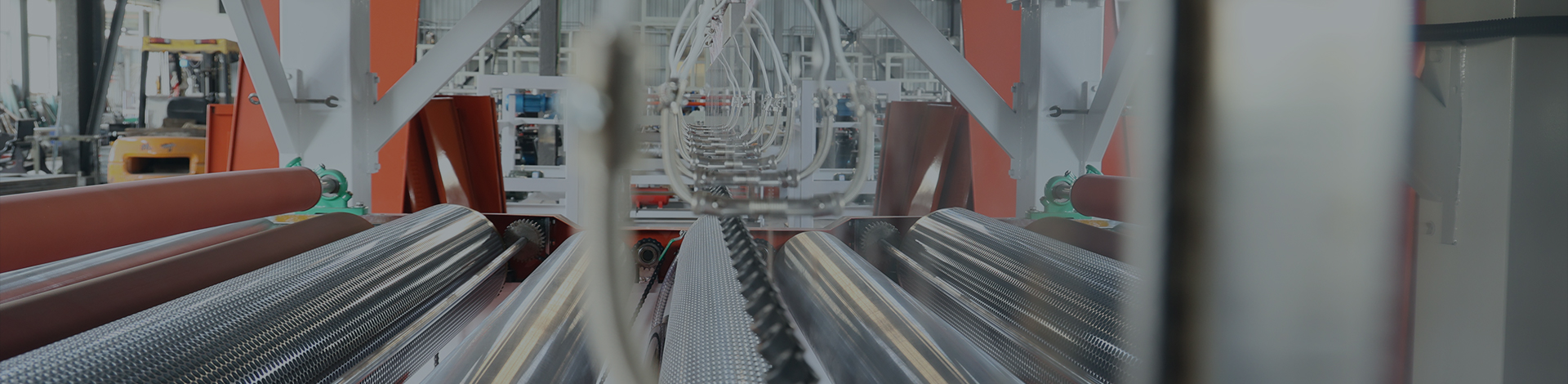
Bubble film machines, also known as bubble wrap machines or air cushion machines, are specialized equipment used to produce bubble films that are widely used in packaging, protecting products during shipping, and for various industrial applications. These machines play a crucial role in the production of bubble films that provide cushioning, shock absorption, and protection for fragile items.
In this article, we will discuss what bubble film machines are, how they work, the raw materials used in their production, and the different types of machines available. Additionally, we will delve into the factors that affect bubble film quality and provide an overview of Ruikang’s bubble film machines.
Bubble film machines are machines designed to produce bubble films, which are plastic sheets with evenly spaced bubbles of air. These bubbles create a cushioning effect that helps protect items from damage. The machine uses heat, pressure, and specialized rollers to create the bubbles within the film.
Bubble film machines are essential in industries where delicate products, such as electronics, glassware, and other fragile items, need to be securely packaged. These machines offer high production efficiency, ease of use, and cost-effective solutions for manufacturers.
Bubble films are primarily made from plastic materials, with the most common raw materials being:
Low-Density Polyethylene (LDPE): The most widely used plastic for bubble film production due to its flexibility, durability, and ease of processing.
High-Density Polyethylene (HDPE): Sometimes used for specific applications that require additional strength or chemical resistance.
Polyethylene (PE): The standard material used for most bubble films, as it offers good moisture and chemical resistance.
These materials are chosen for their ability to form air pockets (bubbles) effectively while maintaining strength and flexibility.
A bubble film machine works on the principle of extrusion, where raw plastic material is heated and melted to form a thin film. Once the film is formed, it passes through a series of rollers and air chambers where it is inflated to create bubbles.
The basic working principle can be broken down into the following steps:
Extrusion: Plastic pellets are fed into an extruder, where they are melted and formed into a thin sheet.
Bubble Formation: The film is drawn through a roller system, where air is pumped into the film, inflating it and creating bubbles.
Cooling and Cutting: Once the bubbles are formed, the film is cooled, cut to the desired length, and rolled up for packaging or further use.
The process of producing bubble film involves several steps, each contributing to the quality and functionality of the final product. Here’s a detailed breakdown:
1. Material Feeding: Raw plastic pellets are loaded into the extruder.
2. Melting: The pellets are heated to their melting point, forming a viscous, molten plastic.
3. Extrusion and Film Formation: The molten plastic is forced through a die to form a thin sheet of plastic.
4. Bubble Inflation: The plastic sheet is passed through an air inflation system, where air is pumped into the sheet, forming the characteristic bubbles.
5. Cooling: After bubble formation, the film is cooled to set the structure.
6. Cutting and Rolling: The film is cut to the desired length and rolled into large rolls, ready for use in packaging applications.
There are several types of bubble film machines available, each suited for different production needs and output capacities. The most common types are:
1. Single-Layer Bubble Film Machines: These machines produce a single layer of bubble film. They are generally used for applications where lightweight protection is sufficient.
2. Multi-Layer Bubble Film Machines: These machines produce bubble film with multiple layers, providing increased strength and protection. They are ideal for packaging heavier or more delicate items.
3. Automatic Bubble Film Machines: These machines are fully automated, offering high-speed production with minimal operator intervention. They are typically used in large-scale production settings.
4. Semi-Automatic Bubble Film Machines: These machines require some manual input but still offer efficiency and consistency in production.
Several factors influence the quality of the bubble film produced, including:
1. Raw Material Quality: The type and quality of the plastic used in production directly impact the durability and functionality of the bubble film.
2. Extruder Settings: The temperature and speed settings of the extruder must be precisely controlled to ensure uniformity and consistency in the film.
3. Bubble Size and Spacing: Proper adjustment of air pressure and roller speed is necessary to create uniform bubble sizes and spacing for optimal cushioning.
4. Cooling Rate: The rate at which the film cools can affect its flexibility and bubble strength.
5. Machine Maintenance: Regular maintenance and cleaning of the machine ensure smooth operation and consistent film quality.
Bubble film machines play an essential role in the packaging and protection of products in a wide range of industries. With their ability to produce high-quality, durable bubble film, these machines provide manufacturers with an effective way to ensure product safety during transport.
When choosing a bubble film machine, it’s important to consider the type of machine that best suits your production requirements and the factors that will influence the quality of your bubble film. Ruikang’s bubble film machines are known for their high efficiency, durability, and cost-effectiveness. Their machines offer a reliable solution for businesses looking to enhance their packaging operations.
Q1: How long does a bubble film machine last?
A bubble film machine can last for several years with proper maintenance. Routine inspections and timely repairs are essential to extend the machine’s lifespan.
Q2: Can I use recycled plastic for bubble film production?
Yes, recycled plastic can be used, but it must meet specific quality standards to ensure the final product is safe and durable.
Q3: What is the typical production speed of a bubble film machine?
The production speed varies depending on the machine model, but most machines can produce hundreds of meters of bubble film per hour.
Q4: How can I improve the bubble film’s strength?
Using multi-layer film production and ensuring proper extrusion and bubble formation settings can help improve the film’s strength.